
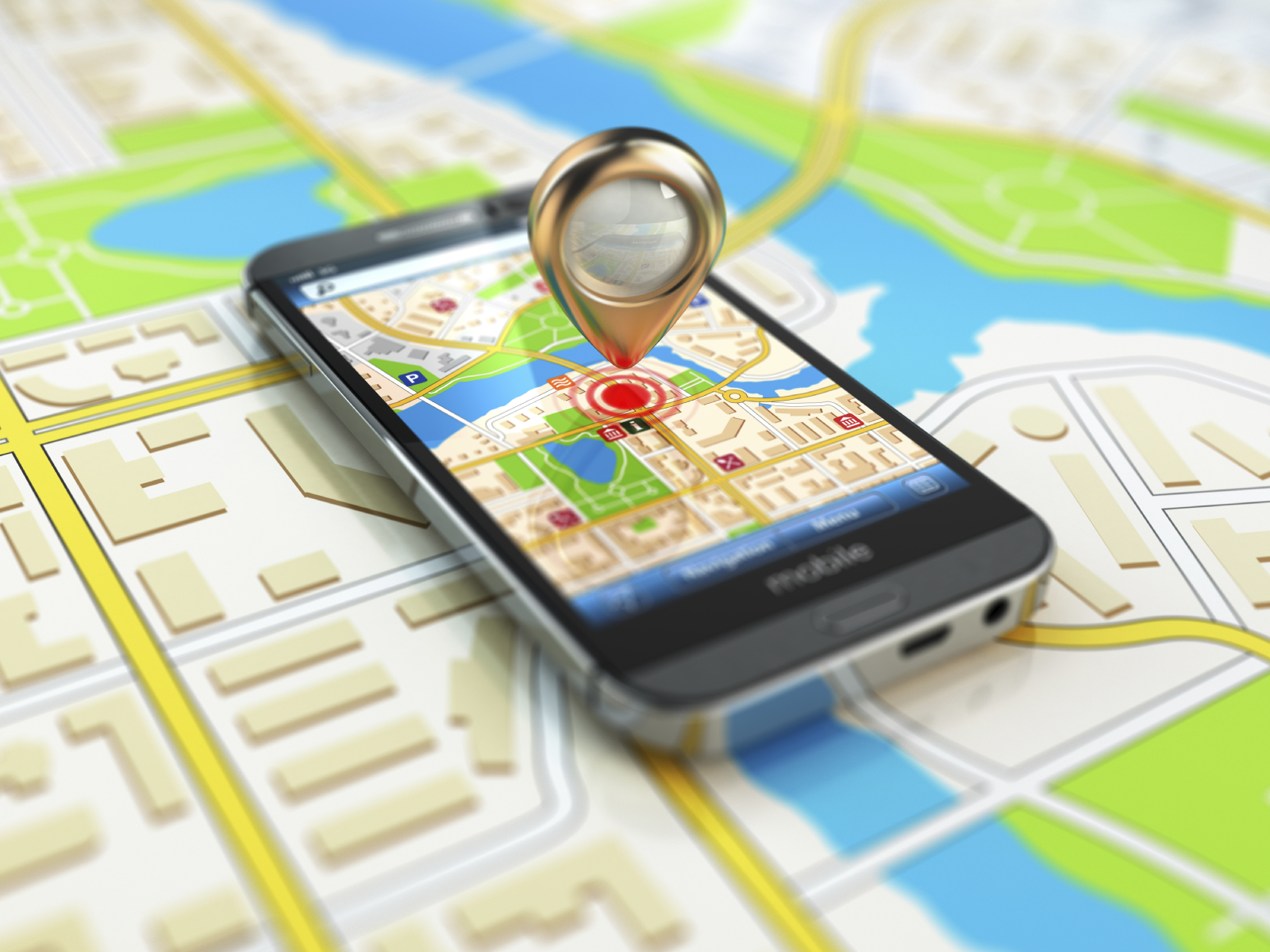
 I have lived and worked in Ann Arbor for 3 years now and have made many trips to Lansing and Detroit for meetings and events. In Lansing I go to about 5 different locations: my car is almost on auto pilot. I have been to various locations in downtown Detroit and the surrounding suburbs. What would I do without the GPS technology we all take for granted?
I have a built-in navigation system in my car, but you probably have the same ability with a map app on your smart phone. My daughter warns me though, to not depend on GPS when you are down to the last mile; “Use your eyes,” she says. That’s what I do when I’m going to the Ren Center in downtown Detroit. My biggest concern then is that I will be in the wrong lane and end up taking the tunnel to Windsor, Canada. You can’t just do a U-turn on the other side; you need your passport with you. Unless I carry my passport in my car, it would be a major delay. I have heard about people who missed events by an hour just by making that mistake.
And there is a lot of road construction with detours on my way out of Detroit these days. I must rely on my GPS to adjust my route and use my eyes to keep track of the detour signs.
Do you remember those thick spiral-bound books of maps for a metro area? You needed a magnifying glass to read it. You also needed a co-pilot in the passenger seat. A real challenge if driving alone at night!
I remember when we stuck add-on Garmin devices to our inside windshield or tried to somehow balance them on the console.
I still sometimes use the online Mapquest or Google Maps service to print out the directions in advance; sometimes I want the big picture visual with me.
But the convenience of a built-in navigation system with voice directions in my 2008 car is far better. I rely on it whenever I’m headed someplace new.
But what about when you are inside a large building complex? Wayfinding in hospitals is a challenge for both patients and staff, especially in large academic medical centers with old and new buildings connected on a sprawling campus. Continue reading
 More than 72,000 families created a website in 2014. Any idea what I’m referring to?
 And for the parents, the goodbyes and the reality of being an empty nester may just be sinking in. Parents sense that they’ve done their job and now, it’s launch time.
 more women to go into the field. I recently did a fireside chat with Kate Catlin, the organizer of Women Rising, and about 30 young women in downtown Detroit. It was the first in a new UpRising series where they invite in “high-powered women in technology” they want to learn from.
 Over the years, individual and organizational sponsors have provided support for computers at patient bedsides, medically safe camps for children with serious health issues, assistive devices for children with special needs, and many more important projects and services.