A virtual care experience that shows both the progress – and the gaps – in digital access
We talk a lot in healthcare about access. The shortage of primary care physicians continues to grow, while patients increasingly expect convenient, timely, and digital-first access to care. As a health IT leader, I know that technology can help close this gap. Recently, I found myself experiencing this challenge not as a CIO, but as a patient.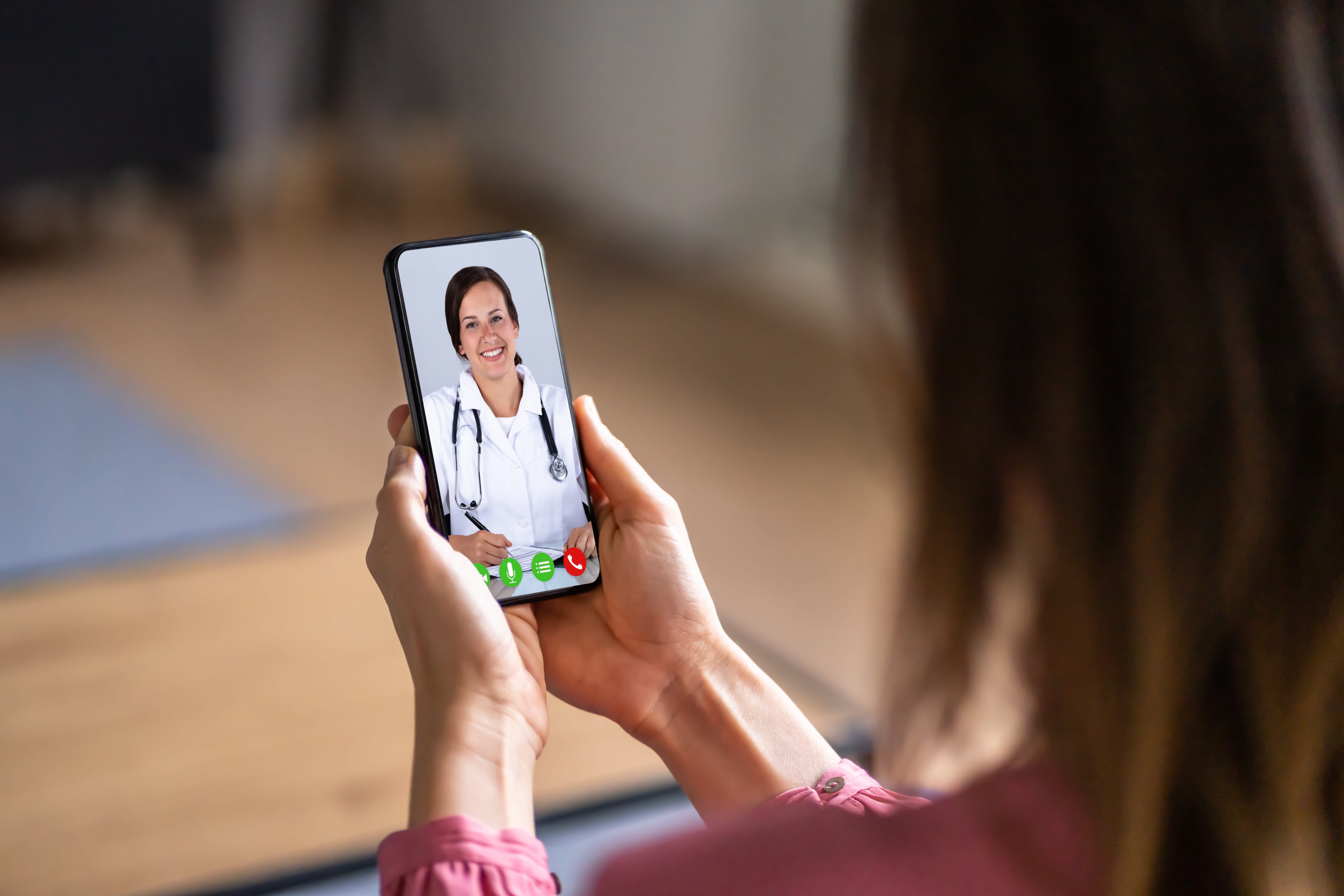
And like many patients, I started where people often do today: with an online search.
After about five days of persistent shoulder pain radiating down my right arm, I decided it was time to seek medical advice. An AI-driven search experience asked structured questions like a clinical intake. The information was thorough and well organized, but also a bit overwhelming. The recommendation was logical: given that I had rotator cuff surgery many years ago, I should contact my PCP or an orthopedic specialist.
That’s when I ran into a reality many patients are facing today. After having the same PCP for 25 years (with a brief interruption when I relocated for several years), my physician recently left the practice. That left me classified as a new patient, on a waiting list. No immediate access. No established relationship to lean on. Just the same access challenges we read about every day.
So, I decided to try my health system’s relatively new Virtual Care program.
This isn’t one of the many virtual care options that rapidly emerged during the pandemic. This is positioned as something more comprehensive: a virtual medical practice with its own physicians, designed to handle both episodic needs and potentially longitudinal primary care. The program description promised access to a doctor online from home anytime, day or night.
As both a patient and a former CIO, I was curious and ready to try it.
From an access standpoint, the experience was impressive. Using the link provided in an email from my health system, I was able to see available appointments in real time. At about 11:45 in the morning, there were 89 appointments still open that day. That was encouraging. I could read physician profiles, select a time, and move directly into scheduling through the patient portal.
That is exactly what convenient access should look like.
After scheduling the appointment, I was directed to download the virtual care app and complete the intake questions. The workflow was generally solid, with multiple response options including voice input, although switching between typing and microphone input was not entirely intuitive.
Then came a moment that many health IT leaders will recognize – redundant data entry.
I was asked to enter insurance information, upload my insurance card, list my pharmacy, and provide an emergency contact. As someone who knows this health system already had all this information in my record, I wondered why this data couldn’t be pre-populated. Patients don’t think in terms of system boundaries or applications. They simply wonder: why am I entering this information again?
That is a usability issue, not a technical one.
I also wondered why the visit appeared to require a mobile app rather than offering an easy laptop option. Mobile-first makes sense, but flexibility still matters, especially for patients who may be less comfortable managing care exclusively through their phone.
I joined the visit 15 minutes early as directed and entered the virtual waiting room. I wondered what was happening on the provider side. The system indicated the physician was reviewing information, but with the tightly scheduled back-to-back 15-minute visits I saw when selecting an open slot for this physician, I wondered how rushed the actual 15-minute visit might be. Given the level of automation, I hoped it would collect my historical medical information and serve it up along with the intake summary for the physician who didn’t know me.
The visit itself is where the model delivered on its promise.
The physician was thorough, professional, friendly, and efficient. The interaction felt focused but not rushed. We discussed symptoms, history, and next steps. I was advised to monitor the condition and follow up if needed and told I could continue using virtual care until I am established with a new PCP.
Afterward, I received a concise summary in the app and more detailed documentation in the patient portal. Good follow-through. Good continuity.
From start to finish, the entire experience took about an hour – finding an appointment, scheduling, downloading the app, completing the intake questions, the virtual waiting room, and the actual visit. All from home. No commute. No physical waiting room. Minimal disruption to the day.
This is what convenience in healthcare should look like.
So, what did I take away from this experience, wearing both my patient hat and my health IT leader hat?
First, virtual care programs like this are clearly part of the solution to our access challenges. When implemented well, they can provide what patients are increasingly asking for: care when they need it, where they need it, and in ways that fit into their lives.
Second, access alone is not enough. Experience matters. Usability matters. Workflow matters. The small friction points I encountered weren’t failures. They were opportunities. The kind that only becomes visible when we experience our own systems the way patients do.
Third, integration still matters more than features. Patients experience one health system, not a collection of apps, portals, and programs. Every redundant field on a form and every disconnected workflow reminds us how much work remains.
Finally, this experience reinforced something I have long believed: health IT leaders should periodically try to experience their own systems as patients. Not through demos and presentations. Not through dashboards. But through the actual front door.
Because the view looks very different from there.
Virtual care is no longer a novelty. It is becoming an essential front door to healthcare. Programs like this demonstrate real progress toward solving access issues. At the same time, they remind us that the last mile of digital transformation is almost always the patient experience.
And that’s where the real work continues.