
The Front Door Test

A virtual care experience that shows both the progress – and the gaps – in digital access

We talk a lot in healthcare about access. The shortage of primary care physicians continues to grow, while patients increasingly expect convenient, timely, and digital-first access to care. As a health IT leader, I know that technology can help close this gap. Recently, I found myself experiencing this challenge not as a CIO, but as a patient.
And like many patients, I started where people often do today: with an online search.

After about five days of persistent shoulder pain radiating down my right arm, I decided it was time to seek medical advice. An AI-driven search experience asked structured questions like a clinical intake. The information was thorough and well organized, but also a bit overwhelming. The recommendation was logical: given that I had rotator cuff surgery many years ago, I should contact my PCP or an orthopedic specialist.

That’s when I ran into a reality many patients are facing today. After having the same PCP for 25 years (with a brief interruption when I relocated for several years), my physician recently left the practice. That left me classified as a new patient, on a waiting list. No immediate access. No established relationship to lean on. Just the same access challenges we read about every day.

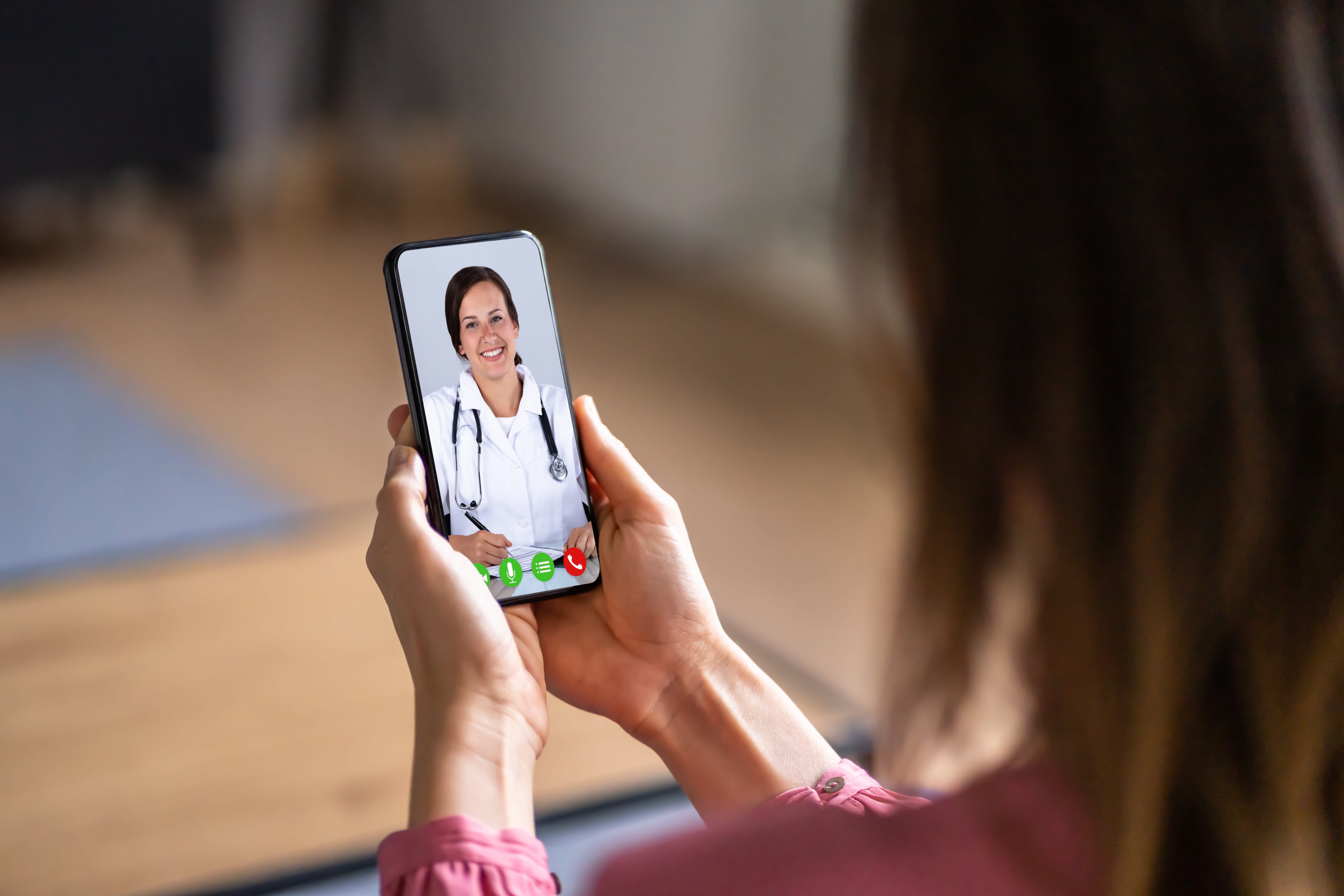
So, I decided to try my health system’s relatively new Virtual Care program. Continue reading
How do patients rate telehealth a year later?

Since March 2020, telehealth volume has increased at rates we would never have anticipated. As Dr. Rasu Shrestha, EVP & Chief Strategy & Transformation Officer at Atrium Health, said during a panel at the recent CHIME21 Spring Forum, “It was an overnight success 30 years in the making”. Indeed, when there were no other choices, clinicians and patients were quick to adapt.

But what do patients really think of telehealth a year later? The COVID-19 Healthcare Coalition recently published the Telehealth Impact: Patient Survey Analysis. The aims of their research were to determine:

  • How well did telehealth serve the clinical needs of patients during the COVID-19 pandemic?
  • For what reasons did patients seek care through telehealth?
  • What were the strengths and weaknesses of telehealth related to quality of care?
  • What are patients’ expectations for the use of telehealth after the pandemic?

The 20-question survey was open to persons 18 years or older who had at least one telehealth encounter between March 1, 2020, and January 30, 2021.Survey responders included 2,007 persons from across the U.S. who received telehealth during the pandemic.

The findings were highlighted in an mHealth Intelligence article “COVID-19 Telehealth Delivery Reaps High Patient Satisfaction”, by Hannah Nelson on April 15, 2021. The results are very encouraging for the future of telehealth. Continue reading